19 Jan, 2026

Invisalign: Unlocking the Art of Digital Orthodontic Design

The Digital Revolution in Orthodontics

The world of orthodontics has undergone a remarkable transformation in recent decades, with digital technology revolutionising how practitioners approach teeth straightening. Gone are the days when traditional metal braces were the only viable option for patients seeking orthodontic treatment. Today’s dental landscape embraces sophisticated digital design processes, such as Invisalign Macleod, that create personalised treatment plans with unprecedented precision.

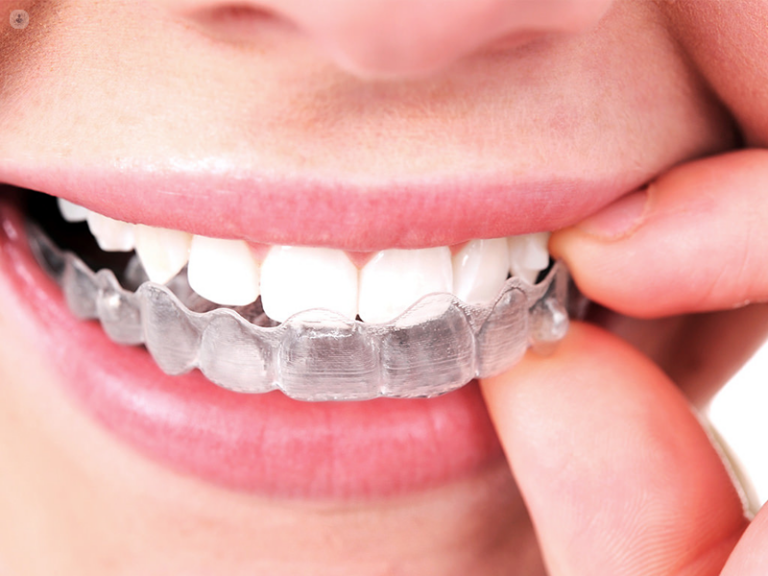
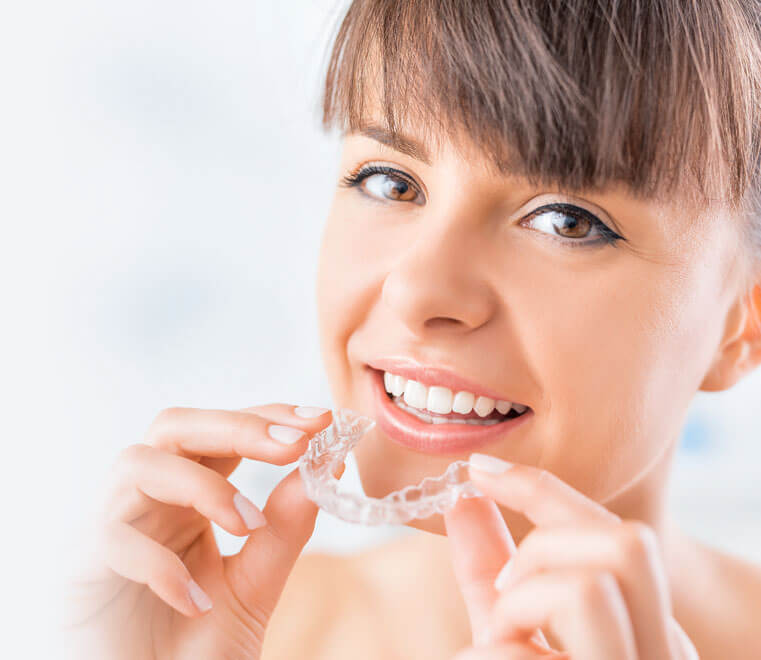
At the forefront of this technological advancement stands Invisalign Macleod, a clear aligner system that has fundamentally changed the orthodontic experience. This innovative approach combines cutting-edge 3D imaging technology with custom-manufactured aligners, offering patients a discreet and comfortable alternative to conventional braces. The digital design process begins with detailed scans that capture every contour of a patient’s teeth, creating a comprehensive digital model that serves as the foundation for treatment planning.

The sophistication of modern orthodontic software allows practitioners to visualise the entire treatment journey before it begins. Through advanced algorithms and predictive modelling, dental professionals can map out precise tooth movements, ensuring that each stage of treatment progresses according to plan. This level of digital precision has transformed orthodontics from a largely manual craft into a highly technical field that marries artistry with scientific accuracy.

The Science Behind Digital Treatment Planning

Digital orthodontic design relies on several key technological components that work in harmony to create successful treatment outcomes. The process begins with intraoral scanning, where high-resolution cameras capture thousands of images per second to construct a detailed 3D model of the patient’s mouth. This digital impression eliminates the discomfort associated with traditional moulds whilst providing superior accuracy.

Once the digital model is complete, sophisticated software analyses the current position of each tooth and calculates the optimal movement patterns required to achieve the desired result. The Align Digital Platform technology enables practitioners to fine-tune treatment plans with remarkable precision, adjusting the timing and sequence of tooth movements to maximise comfort and minimise treatment duration.

For patients seeking Invisalign Macleod treatment, this digital approach means receiving aligners that are manufactured specifically for their unique dental anatomy. Each set of aligners represents a carefully calculated step towards the final treatment goal, with the entire sequence planned digitally before the first aligner is worn.

Manufacturing Precision and Material Innovation

The manufacturing process behind clear aligners represents a marvel of modern engineering. Once the digital treatment plan is finalised, specialised 3D printers create precise moulds for each stage of treatment. These moulds serve as templates for thermoforming the aligner material, which undergoes rigorous quality control measures to ensure consistent thickness and clarity throughout each appliance.

The materials used in clear aligner production have evolved significantly since the technology’s inception. Contemporary aligner materials offer improved elasticity and durability, allowing for more predictable tooth movement whilst maintaining optical clarity. The thermoplastic properties of these materials enable them to apply gentle, continuous pressure to teeth, gradually guiding them into their planned positions over time.

Quality assurance protocols ensure that each aligner meets strict dimensional tolerances before being packaged and delivered to dental practices. This attention to detail in manufacturing directly translates to improved treatment outcomes and enhanced patient comfort throughout the orthodontic journey.

Patient Experience and Treatment Monitoring

The digital nature of modern orthodontic treatment extends beyond initial planning and manufacturing. Throughout the treatment process, patients benefit from sophisticated monitoring systems that track progress and identify any deviations from the planned tooth movements. The comprehensive digital experience includes regular check-ins and progress assessments that ensure treatment remains on track.

Digital photography and periodic scanning allow practitioners to compare actual tooth movements with predicted outcomes, making adjustments to treatment plans when necessary. This level of monitoring provides reassurance to both patients and practitioners that treatment is progressing as intended, with the flexibility to modify plans if unexpected challenges arise.

The integration of artificial intelligence and machine learning into orthodontic planning continues to refine treatment protocols. Precision orthodontic methods leverage vast databases of treatment outcomes to improve predictive accuracy and enhance future treatment planning capabilities.

The Future of Digital Orthodontics

Digital orthodontic design represents more than just technological advancement; it embodies a fundamental shift towards personalised healthcare delivery. The combination of precise digital planning, advanced materials, and continuous monitoring creates treatment experiences that are tailored to individual patient needs whilst maintaining high standards of clinical outcomes.

As technology continues to evolve, the boundaries between digital design and clinical practice will become increasingly seamless, offering patients orthodontic solutions that are both sophisticated and accessible.

Any surgical or invasive procedure carries risks. Before proceeding you should seek a second opinion from an appropriately qualified health practitioner.

5 mins read

The Unexpected Role of Sound Therapy in Modern Dental Care

Understanding Modern Dental Innovations

The landscape of dental care continues to evolve with innovative approaches that enhance patient comfort and treatment outcomes. Among these developments, sound therapy has emerged as a fascinating addition to contemporary dental practices, offering unique benefits that extend beyond traditional care methods. For those seeking a dentist in Epping, understanding these modern approaches can provide valuable insight into the advancing field of dental care.

The Science Behind Sound Therapy in Dentistry

Sound therapy in dental care utilises specific frequencies and vibrations to create a more comfortable and relaxing environment for patients. Recent advancements in dental sound therapy techniques have shown promising results in reducing anxiety and improving overall treatment experiences.

Key Benefits of Sound Therapy

  • Reduction in dental anxiety and stress
  • Enhanced relaxation during procedures
  • Improved patient comfort levels
  • Natural complement to traditional dental treatments

Integration with Traditional Dental Care

Modern dental practices, including those of any respected dentist in Epping, are increasingly incorporating sound therapy alongside conventional treatments. This integration represents a holistic approach to oral health care, addressing both physical and psychological aspects of dental treatment.

Applications in Various Dental Procedures

Sound therapy has found applications across numerous dental procedures, from routine check-ups to more complex treatments. The revolutionary impact of sound therapy in modern dentistry demonstrates its versatility in different clinical scenarios.

Patient Experience Enhancement

The implementation of sound therapy has transformed the traditional dental visit experience. When visiting a dentist in Epping or any modern dental practice, patients might encounter these therapeutic sound applications, which create a more serene and comfortable environment. The gentle, consistent sounds help in maintaining a calm atmosphere throughout dental procedures.

Clinical Research and Evidence

Research continues to demonstrate the positive impact of sound therapy in dental settings. Studies have shown measurable reductions in patient stress levels and improved treatment compliance when sound therapy is incorporated into dental procedures. Clinical studies on sound therapy in dental practices have documented significant improvements in patient experiences across various age groups.

Implementation in Modern Practices

The practical application of sound therapy in dental clinics involves carefully selected audio frequencies and specialised equipment. These systems are designed to work harmoniously with other dental equipment, ensuring that the therapeutic benefits don’t interfere with standard procedures.

Patient Selection and Customisation

Not every patient requires the same approach to sound therapy. Modern dental practices consider individual needs and preferences when implementing these techniques. Factors such as anxiety levels, medical history, and personal comfort with sound therapy all play crucial roles in determining the most appropriate application.

Future Developments and Possibilities

The field of sound therapy in dentistry continues to advance, with new technologies and methodologies emerging regularly. Research is ongoing into more sophisticated applications, including personalised frequency profiles and integration with other sensory comfort measures.

Technological Advancements

  • Development of more sophisticated sound delivery systems
  • Integration with digital dental technologies
  • Enhanced customisation capabilities
  • Improved monitoring of patient responses

Moving Forward in Dental Care

Sound therapy represents a significant step forward in making dental care more comfortable and accessible for patients. As dental practices continue to embrace this innovative approach, patients can expect increasingly sophisticated and effective applications of sound therapy in their dental care experience. This evolution in dental care delivery demonstrates the industry’s commitment to enhancing patient comfort while maintaining high standards of treatment quality.

The integration of sound therapy into modern dental practices exemplifies how the field continues to evolve, incorporating evidence-based innovations that benefit both practitioners and patients. As research progresses and technology advances, sound therapy is likely to become an even more integral part of the dental care experience, further transforming how dental treatments are delivered and received.

Any surgical or invasive procedure carries risks. Before proceeding you should seek a second opinion from an appropriately qualified health practitioner.

4 mins read