
February 2026
Why Critter Control Services Are Essential for Property Protection
Unsolicited animals frequently enter buildings through small gaps and hidden openings, which can lead to serious structural distress over time. Their trained teams use safe methods that keep systems working without risk to people. Routine visits reduce harmful activity and maintain strong surroundings. Early care prevents long-term trouble while keeping spaces safe for daily use. Specialized san antonio wildlife removal services specify in animal removal services that stop damage, lessen health risks, and guarantee animals are relocated sensibly and lawfully. This procedure supports long-lasting stability for families and workplaces through modest, planned steps.
Hidden Entry Points Management
Small openings in walls allow animals to enter indoor spaces where they build nests and damage stored items, which slowly weakens surfaces and allows moisture buildup that harms insulation over time without being noticed.
Wiring Damage Risk Reduction
Chewing by pests often cuts electrical lines, which creates fire risks that may grow serious when systems stay exposed to constant movement inside narrow spaces within walls.
Roof Space Safety Planning
Upper sections become warm nesting zones for animals, which leads to loose panels, water seepage, and slow weakening of overhead sections inside enclosed spaces.
Garden Area Disturbance Control

Burrowing creatures break soil layers, which affects drainage systems and causes uneven ground surfaces that weaken nearby support bases over time.
Indoor Noise Issue Prevention
Scratching sounds within ceilings may point to hidden activity that continues daily and increases hidden damage across support areas.
Stored Items Safety Measures
Hidden nests near stored goods create waste buildup that affects stored materials through stains, moisture, and slow decay inside closed spaces.
Air Quality Improvement Steps
Animal waste releases particles that move through vents, which affects indoor breathing conditions during long-term stays inside enclosed environments.
Structural Wear Limiting Methods
Repeated movement inside hidden paths weakens surfaces over time, which slowly affects stability and creates further unwanted openings.
Safe Removal Planning
Routine action supports long term strength of built spaces effectively.
- Careful inspection identifies hidden routes and stops future nesting inside concealed zones through planned monitoring.
- Use of safe barriers blocks return movement and keeps enclosed sections secure over an extended time.
- Regular follow-ups maintain order within covered areas and prevent repeated activity through careful checks.
Persistent pest movement inside closed areas causes steady harm, which often spreads through inner supports. Planned monitoring ensures stable living surroundings while limiting future entry from small openings. Proper removal avoids surface wear and keeps internal systems steady for longer periods. Using san antonio wildlife removal services supports safer upkeep while reducing repeated intrusion. This method secures long-lasting strength for every built setup through timely handling that stops further spread.
Landscape Projects Featuring Concrete For Practical And Decorative Results
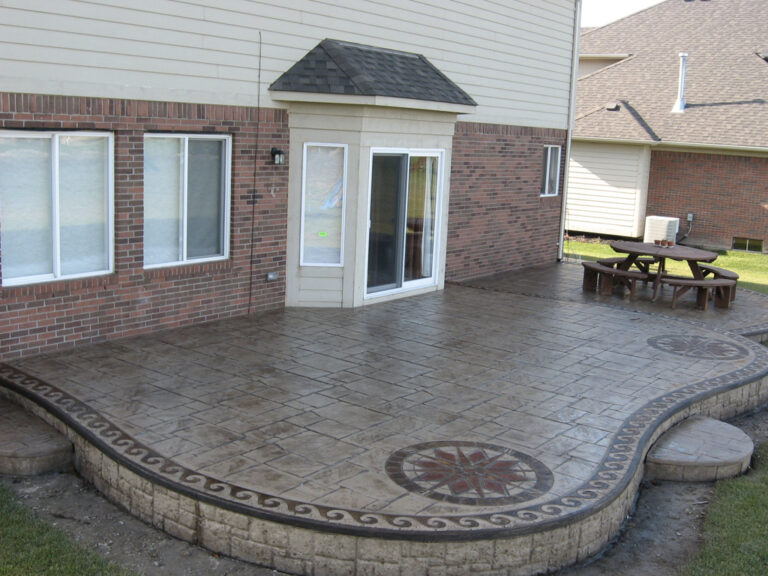
Landscape projects use concrete for durable paths and eye-catching designs. It withstands weather while adding style to yards. Homeowners choose it for low upkeep and bold looks, stamped concrete installation in san antonio brings textured finishes that mimic stone affordably.
Versatile Mix Designs Enhance Durability
Mixes adapt to local soils and climates easily.
- High-strength blends resist heavy foot traffic well
- Fiber additives prevent cracks from forming early
- Color pigments create lasting hue variations
- Sealers protect against stains and fading
- Quick-set formulas speed project timelines
- Eco mixes use recycled materials wisely
These options ensure long life with minimal repairs needed. Yards stay sharp through seasons of use. Choices match budgets while boosting property appeal strongly.
What Defines Best Concrete Textures?
Textures come from stamps that press patterns into wet pours. They capture stone, wood, or brick looks convincingly. Choices depend on traffic and style goals. Depth varies for grip in wet areas. Fine details emerge from skilled pressing techniques.
How do stamps transfer details sharply? Rollers and mats imprint evenly before curing starts. Crews lift forms carefully to reveal crisp edges. Patterns hold up under daily wear too. Touch-ups fix minor spots post-set.

How Do Stamps Mimic Natural Stones?
Stamps recreate granite veins or slate splits with precision. Wet concrete takes imprints that harden permanently. Colors layer in for realistic depth and shade. Edges get hand-tooled for authentic feel. Multiple passes build complex surfaces smoothly. Results fool eyes from close range often.
What works best for sloped or shaded spots?
Choose slip-resistant textures for safety first. Pair light colors with dark mulch contrasts. Test small areas before full pours. Budget for seal coats yearly. Blend heights with steps for easy access.
Practical Steps In Patterned Pouring
Prep starts with soil compaction for stable bases. Forms outline shapes precisely before steel rebar drops in, stamped concrete installation in san Antonio handles hot climates with timed pours and cooling aids. Teams prep bases firmly before wet mix arrives. Stamps align precisely across large areas. Vibrators settle concrete evenly under patterns. Fresh seals lock in designs against sun fade. Curing tents shield from rapid drying effects.
Blending Forms With Plantings Gracefully
Forms curve around beds to frame greenery nicely. Low walls edge lawns without overpowering views. Benches pour in place for seating spots. Lighting embeds during sets for night glow. Paths wind naturally to invite strolls. Designs harmonize hard surfaces with soft plant textures over time. Borders soften transitions to soil edges cleanly. Full yards transform into cohesive retreats slowly.
Empowering Your Smile: The Synergy of Art and Science in Dentistry
The Beautiful Balance of Modern Dental Practice
In the realm of modern healthcare, few disciplines embody the harmonious blend of artistic vision and scientific precision quite like dentistry. This fascinating profession stands at the crossroads where technical expertise meets aesthetic sensibility, creating smiles that are not merely functional but genuinely transformative. The contemporary dental practice represents a sophisticated fusion of evidence-based medicine and creative artistry, where a dentist Navan must master both the microscopic details of oral biology and the nuanced principles of facial aesthetics.
The evolution of dental care has witnessed remarkable advancements over recent decades, transforming what was once purely a medical necessity into a comprehensive approach to oral wellness and cosmetic enhancement. Today’s dental professionals operate as both scientists and artists, utilising cutting-edge technology whilst maintaining an unwavering focus on the aesthetic outcomes that patients desire. This dual expertise requires years of dedicated training and a deep appreciation for the intricate relationship between form and function within the oral cavity.
Scientific Foundations of Contemporary Dentistry
The scientific backbone of modern dentistry rests upon decades of rigorous research in materials science, biomechanics, and oral pathology. Advanced diagnostic tools such as digital radiography, intraoral scanners, and computer-aided design systems have revolutionised the precision with which dental professionals can assess, plan, and execute treatments. These technological marvels enable practitioners to visualise complex oral structures in three dimensions, predicting treatment outcomes with unprecedented accuracy.
Biomaterial innovations have equally transformed the landscape of dental restoration. Contemporary composite resins, ceramic systems, and titanium implants represent the culmination of extensive research into biocompatibility, durability, and aesthetic properties. The integration of art and science in modern dental practice has enabled these materials to not only restore function but to seamlessly blend with natural tooth structures, creating virtually undetectable repairs and enhancements.
Evidence-Based Treatment Protocols
The scientific methodology underlying modern dental practice extends beyond materials and technology to encompass evidence-based treatment protocols. Practitioners now rely upon peer-reviewed research, clinical trials, and systematic reviews to guide their therapeutic decisions. This rigorous approach ensures that patients receive treatments that have been thoroughly tested and validated, minimising risks whilst maximising successful outcomes. Whether addressing complex periodontal conditions or planning comprehensive smile makeovers, today’s professionals in Navan and their colleagues worldwide draw upon this wealth of scientific knowledge to inform their clinical judgement.
The Artistic Dimension of Dental Excellence
Beyond the scientific rigour lies the artistic soul of dentistry, where practitioners must possess an innate understanding of proportion, symmetry, and colour theory. The creation of a beautiful smile requires careful consideration of facial dimensions, lip dynamics, and the subtle interplay of light and shadow across dental surfaces. Successful aesthetic dentistry demands an appreciation for the golden ratio, understanding how tooth proportions relate to facial features, and recognising the unique characteristics that make each smile distinctively appealing.
Colour matching represents one of the most challenging artistic aspects of restorative dentistry. Natural teeth exhibit complex optical properties, with varying degrees of translucency, fluorescence, and surface texture that must be meticulously replicated in artificial materials. The artistic elements of dental restoration require practitioners to develop a keen eye for subtle colour variations and the technical skill to recreate these nuances in their work.
Craftsmanship in Digital Dentistry
The emergence of digital dentistry has not diminished the importance of artistic skill but rather enhanced the precision with which aesthetic goals can be achieved. Computer-aided design software allows practitioners to visualise proposed treatments, making minute adjustments to achieve optimal aesthetic outcomes before any irreversible procedures begin. This technological assistance amplifies rather than replaces the artistic vision, enabling more predictable and refined results.
The craftsmanship involved in creating dental restorations mirrors that of fine jewellery or sculpture, requiring steady hands, patience, and an unwavering commitment to perfection. Each restoration must be individually crafted to complement the patient’s existing dentition whilst enhancing overall facial harmony. The historical evolution of dentistry’s artistic and scientific balance demonstrates how this profession has consistently elevated technical proficiency through aesthetic innovation.
The Future of Comprehensive Dental Care
The synergy between art and science in dentistry continues to evolve, promising even more sophisticated treatment options for future patients. As materials science advances and digital technologies become increasingly refined, the boundaries between natural and restored dentition will continue to blur. This ongoing evolution ensures that patients seeking comprehensive dental care can expect treatments that not only restore optimal oral health but also enhance their confidence through beautifully crafted smiles that truly empower their daily interactions.