

May 2026
Gradual Work Capacity Changes Sometimes Create Confusing Insurance Related Questions Later
Not every serious health condition forces someone to stop working immediately. For many people, the changes happen gradually. Reduced hours turn into extended leave. Physical tasks become harder to manage. Medical appointments increase while income stability slowly becomes uncertain.
That is usually when people begin exploring tpd superannuation claims after learning their super fund may contain insurance linked to permanent disability cover.
Most applicants expect the process to involve a few forms and medical reports. Instead, the legal side often becomes much larger than anticipated. Insurers review employment history, policy wording, treatment records, work capacity, and ongoing medical evidence all at once.
And honestly, trying to manage those discussions while dealing with health problems can feel exhausting after a while.

Why claim evidence must stay consistent across different submitted records
Insurers usually compare records carefully throughout TPD assessments.
They may review:
- Medical timelines
- Employment changes
- Treatment progression
- Work restriction details
- Rehabilitation reports
- Specialist recommendations
Small inconsistencies do not automatically damage a claim. Still, they often lead to further questions or requests for clarification.
For example, one specialist report may describe temporary work restrictions while another later document discusses permanent limitations more directly. Insurers may then ask lawyers or applicants to explain the progression between those assessments.
That situation happens more often than people realize.
Medical updates sometimes continue even after preliminary approval stages
A lot of applicants expect evidence collection to end once early review stages appear positive. In reality, insurers sometimes continue requesting updated medical information afterward.
This may involve:
- Specialist reviews
- Functional capacity assessments
- Rehabilitation progress updates
- Psychological evaluations
- Medication management reports
Some conditions change significantly over time. Others stabilize without fully improving. A few become clearer only after extended treatment periods.
Because of that, insurers often continue reviewing whether the condition still satisfies the policy definition connected to permanent work incapacity.
And honestly, repeated medical requests become frustrating for many people after months of treatment already.
Waiting periods vary depending on policy structure and review complexity
Not every TPD claim follows the same timeline.
Delays sometimes happen because:
- Medical evidence remains incomplete
- Independent examinations are pending
- Employment records require clarification
- Policy wording becomes disputed
- Super fund reviews continue separately
- Insurers request updated reports
Applicants often expect silence to mean rejection or inactivity. Sometimes files are still moving internally between departments without much direct communication reaching the applicant.
That uncertainty becomes difficult financially and emotionally for many households.
Especially once work income has already reduced significantly.
Legal guidance may help organize complicated supporting documentation
Lawyers involved in TPD claims often spend large amounts of time organizing evidence clearly before insurers begin detailed assessment stages.
Legal assistance may include:
- Reviewing policy definitions
- Structuring medical evidence
- Preparing claim submissions
- Responding to insurer requests
- Monitoring communication timelines
- Clarifying employment limitations
Not every claim becomes heavily disputed. Still, organized documentation often reduces unnecessary delays later.
Sometimes the issue is not whether the medical condition exists. The real disagreement becomes how policy wording applies to future work capacity under the insurer’s interpretation. That distinction changes many claims.
As claims continue developing, many individuals researching tpd superannuation claims begin understanding why legal preparation focuses heavily on evidence consistency, insurer communication, policy interpretation, and long term work capacity assessment rather than simply submitting forms quickly and waiting for payment approval.
From the outside, the process can look repetitive. Underneath though, insurers and super funds are reviewing medical consistency, employment capacity, financial eligibility, and policy definitions all at the same time.
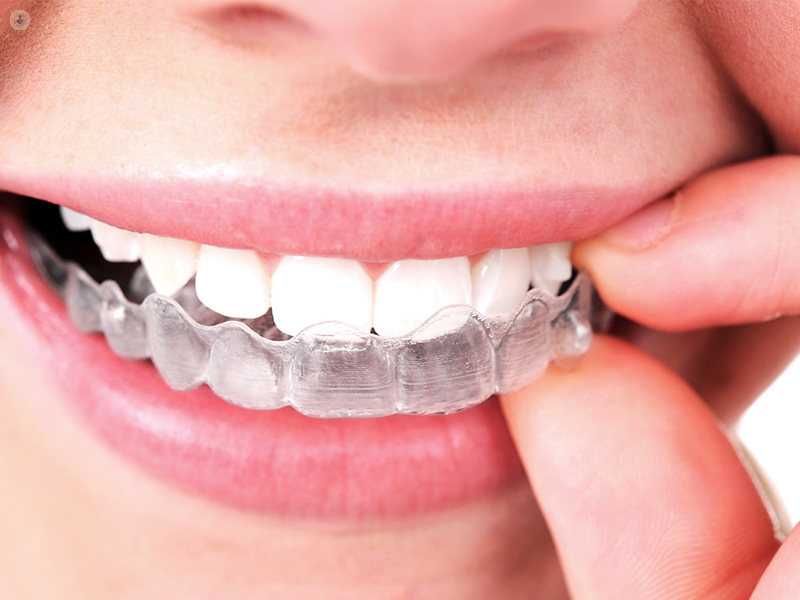
How Invisalign Adapts to Complex Bite Corrections and Dental Challenges
The Evolution of Clear Aligner Technology
The landscape of orthodontic treatment has undergone a remarkable transformation over the past two decades, with clear aligner technology in the form of Invisalign in Bromley emerging as a sophisticated solution for patients seeking discreet dental correction. What began as a relatively simple system for addressing minor cosmetic concerns has evolved into a comprehensive treatment modality capable of tackling increasingly complex bite issues and structural challenges. Modern clear aligners now utilise advanced materials, precise digital planning, and innovative attachment systems that enable orthodontists to address cases that were once considered the exclusive domain of traditional metal braces.
The technological advancements driving this evolution have been nothing short of impressive. Computer-aided design and 3D printing technologies have revolutionised the precision with which aligners can be manufactured, whilst sophisticated treatment planning software allows clinicians to visualise the entire correction process before treatment even begins. This digital approach enables practitioners to anticipate challenges, plan for complex tooth movements, and create a roadmap that guides teeth through multiple stages of carefully orchestrated adjustments.
Understanding Complex Bite Corrections
When discussing orthodontic challenges, it’s essential to recognise that not all misalignment issues are created equal. Whilst some patients present with relatively straightforward crowding or spacing concerns, others require correction of significant bite discrepancies that affect both function and aesthetics. These complex cases may involve deep overbites, severe underbites, crossbites, or open bites—each presenting unique challenges that demand careful planning and execution.
For those seeking Invisalign practitioners, they now have access to an expanded toolkit of features specifically designed for challenging cases. The system incorporates precision cuts, strategically placed attachments, and elastic wear protocols that work in concert to achieve movements that were previously difficult to accomplish without fixed appliances. These innovations have expanded the scope of treatable orthodontic conditions using clear aligner therapy, offering patients alternatives they might not have considered possible just a few years ago.
The Role of Attachments and Auxiliaries
One of the most significant developments in clear aligner technology has been the refinement of attachment systems. These small, tooth-coloured composite buttons bonded to specific teeth serve as handles that allow aligners to apply more precise forces in targeted directions. Through careful placement and design, attachments enable complex rotations, extrusions, and intrusions that would otherwise be challenging to achieve with smooth plastic alone.
Biomechanics and Treatment Planning
The success of complex bite corrections relies heavily on understanding dental biomechanics and applying these principles throughout the treatment journey. Clear aligner therapy must account for the natural resistance of teeth to movement, the varying density of bone in different areas of the jaw, and the intricate relationship between upper and lower dental arches. Experienced practitioners utilise staging protocols that break down ambitious movements into manageable increments, ensuring that each tooth progresses at an appropriate pace without compromising root integrity or periodontal health.
Advanced treatment planning software now incorporates artificial intelligence and machine learning algorithms that analyse thousands of previous cases to optimise movement sequences. This data-driven approach helps clinicians anticipate potential obstacles and refine their strategies accordingly. The ability to simulate various treatment scenarios allows for informed decision-making that balances efficiency with predictability, ultimately leading to superior outcomes for patients with complex dental challenges.
Addressing Specific Orthodontic Challenges
Different bite irregularities demand tailored approaches, and modern clear aligner systems have developed specific protocols for various conditions. For patients experiencing crowding, the system can incorporate expansion mechanics or strategic extraction plans. Those dealing with significant misalignment issues benefit from sequential distalization techniques that create space without requiring cumbersome appliances. Meanwhile, individuals wondering about whether clear aligners can effectively address malocclusion will find that contemporary protocols incorporate vertical elastics, bite ramps, and precision cuts that facilitate corrective jaw relationships.
The versatility of Invisalign throughout the United Kingdom continues to expand as practitioners gain experience with complex cases and share their insights within the professional community. This collaborative approach to treatment refinement ensures that patients benefit from collective expertise rather than isolated practice patterns.
The Future of Complex Orthodontic Treatment
As clear aligner technology continues to advance, the boundaries of what can be achieved without traditional braces continue to expand. The integration of digital workflows, improved materials science, and enhanced biomechanical understanding promises even greater capabilities for addressing complex dental challenges. Patients who once faced limited options now have access to treatment modalities that combine effectiveness with aesthetic discretion, transforming not only their smiles but also their orthodontic experience. The ongoing evolution of clear aligner systems represents a remarkable achievement in dental innovation, offering hope and solutions to individuals with even the most challenging bite corrections.
