

Protective Card Sleeves Preserving Deck Condition During Frequent Shuffling and Handling
Games

Protective Card Sleeves Preserving Deck Condition During Frequent Shuffling and Handling

Repeated handling can leave trading cards scratched, bent, or marked along their edges. Suitable sleeves create a protective layer around each card during regular use. Buyers researching Visit nerdgear.com may compare sleeve sizes, materials, and surface finishes before selecting suitable accessories. A careful choice helps preserve card condition during frequent shuffling. Good storage habits also reduce unnecessary wear between gaming sessions.

Understanding Sleeve Protection

Card sleeves cover individual cards to reduce direct contact with hands and surfaces. Their protective value depends on fit and material quality.

Loose sleeves allow cards to move inside the covering. Tight sleeves may place pressure on delicate corners.

Choosing Suitable Materials

Sleeve materials affect handling, clarity, and durability during regular use. Transparent options keep printed details easy to view.

Matte finishes may reduce glare under bright indoor lighting. Glossy surfaces can provide a smoother feel during shuffling. Compare these features before choosing sleeves for your collection.

Features Worth Checking Before Purchase

A suitable sleeve should protect cards without making handling difficult. Inspect its construction before covering an entire deck.

  • Check card dimensions before selecting the correct sleeve size.
  • Choose clear materials that preserve printed details during regular handling.
  • Inspect sealed edges for gaps or signs of weak construction.
  • Compare surface finishes to find a suitable shuffling feel.
  • Select consistent sleeve sizes throughout each deck for uniform handling.
  • Replace torn coverings before exposed card edges become damaged.
  • Store spare sleeves away from dust and direct sunlight.
  • Review product details before purchasing unfamiliar materials or designs.

Testing a few sleeves first can prevent unnecessary purchases. Check whether cards slide easily without excessive movement inside their coverings.

nerdgear.com

Maintaining Card Condition

Sleeves reduce direct contact but cannot prevent every type of damage. Bent corners may still occur when cards are forced into containers.

Visit nerdgear.com may be one reference when comparing available sleeve accessories. Check product dimensions and care guidance rather than relying on appearance alone. Store protected cards in suitable cases after each session. Avoid placing heavy objects on top of stored decks.

Which Sleeve Features Support Frequent Shuffling?

Regular shuffling places repeated pressure on sleeve edges and corners. Durable seams help reduce splitting during repeated handling. A consistent surface also makes cards easier to mix without sudden sticking.

Sleeve thickness affects the overall size of a protected deck. Thicker materials may provide additional support but can make storage less compact. Choose a balance that suits your handling habits. Check the manufacturer’s dimensions before buying replacement sleeves.

Surface wear becomes easier to notice after repeated sessions. Inspect sleeves for cloudiness, tears, or loose corners. Replace damaged pieces before they affect the cards underneath. Consistent checks help maintain a uniform deck without replacing every sleeve unnecessarily.

Common Questions About Card Sleeves

  • Do sleeves prevent every type of card damage? No. They reduce wear but cannot prevent crushing or severe bending.
  • When should damaged sleeves be replaced? Replace them when seams split or exposed card edges become noticeable.
  • Are matte sleeves suitable for frequent shuffling? They may help reduce glare, depending on their surface texture.
  • Should every card use the same sleeve size? Use compatible sizes throughout each deck for consistent handling.
  • How should sleeved decks be stored? Keep them inside suitable cases in a clean, dry place.

Keeping Collections in Better Condition

Reliable protection depends on suitable materials and careful handling habits. Check sleeve fit before covering an entire collection. Inspect worn edges after repeated use. Store protected decks properly between sessions. Regular maintenance helps preserve card condition without unnecessary replacements.
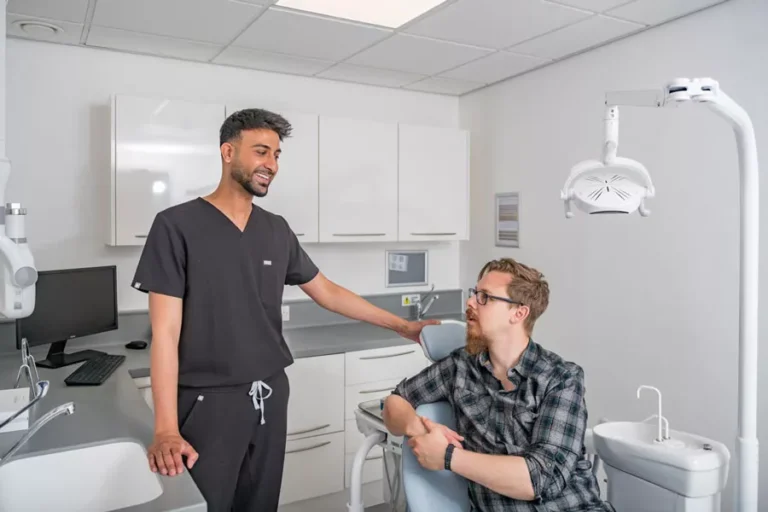
Why Private Dentists Prioritise Minimally Invasive Techniques to Extend the Lifespan of Your Natural Teeth
Dental

Why Private Dentists Prioritise Minimally Invasive Techniques to Extend the Lifespan of Your Natural Teeth

The Evolution of Modern Dental Care

The landscape of dental care has transformed dramatically over the past few decades, with a notable shift towards preservation rather than replacement. Whilst traditional dentistry often relied on aggressive interventions that removed substantial amounts of tooth structure, a private dentist in Manchester has embraced a philosophy that champions conservation. This paradigm shift reflects both technological advancement and a deeper understanding of long-term oral health outcomes.

Private dental practices have been at the forefront of this revolution, investing in cutting-edge equipment and training that enables them to detect problems earlier and treat them with unprecedented precision. The emphasis on minimally invasive techniques represents more than just a trend; it embodies a fundamental rethinking of how dental professionals approach patient care and tooth preservation.

Understanding Minimally Invasive Dentistry

Minimally invasive dentistry operates on a straightforward yet profound principle: preserve as much natural tooth structure as possible whilst effectively treating dental issues. This approach recognises that natural teeth, regardless of their imperfections, possess inherent advantages that no artificial replacement can fully replicate. The biological, functional, and aesthetic benefits of retaining one’s original dentition cannot be overstated.

When seeking treatment from a private dentist, patients often discover that these practitioners have access to technologies and methodologies that facilitate this conservative approach. From air abrasion systems that remove decay without traditional drilling to laser treatments that target problem areas with millimetre precision, the tools available to modern dentists enable interventions that would have seemed impossible just a generation ago.

The Scientific Foundation Behind Preservation

Research has consistently demonstrated that preserving natural tooth structure yields superior long-term outcomes compared to more aggressive treatments. Studies examining the longevity of minimally invasive restorations have shown remarkable success rates, particularly when combined with preventive care strategies and patient education.

The biological reality is that every tooth possesses a complex internal structure that contributes to overall oral health. The pulp chamber houses nerves and blood vessels that maintain tooth vitality, whilst the surrounding dentine and enamel layers provide strength and protection. Each time dental work removes these tissues, the tooth’s long-term viability potentially diminishes. Modern techniques acknowledge this reality by prioritising preservation wherever clinically appropriate.

Key Techniques That Preserve Natural Teeth

Private dental practitioners employ a range of sophisticated techniques designed to maintain tooth integrity. Air abrasion technology, for instance, uses a stream of fine particles to remove decay with remarkable precision, often eliminating the need for anaesthesia and preserving significantly more healthy tooth structure than traditional drilling methods. This approach proves particularly effective for small cavities and surface preparations.

Dental microscopes and magnification loupes allow practitioners to work with extraordinary accuracy, identifying decay at its earliest stages when intervention requires minimal removal of tooth material. The science behind minimally invasive dentistry techniques demonstrates how enhanced visualisation enables dentists to be far more conservative in their treatment planning whilst achieving excellent clinical outcomes.

Biomimetic dentistry represents another cornerstone of the minimally invasive approach, using materials and techniques that mimic the natural properties of teeth. These restorations bond to existing tooth structure, reinforcing it rather than simply filling a void, which helps prevent future fractures and extends the functional life of treated teeth.

The Long-Term Benefits for Patients

The advantages of minimally invasive techniques extend well beyond the immediate treatment experience. Patients who receive conservative care typically face fewer complications over time, reduced sensitivity, and a lower likelihood of requiring more extensive interventions in future years. Research into the effectiveness of conservative dental treatments supports the clinical observation that preserving natural tooth structure correlates strongly with improved long-term outcomes.

Financial considerations also favour this approach, as treatments that preserve tooth structure tend to last longer and require less frequent replacement. Whilst the initial investment in seeing a private dentist might seem substantial, the longevity of minimally invasive restorations often proves more economical over a patient’s lifetime compared to repeated interventions necessitated by more aggressive initial treatments.

Embracing a Conservative Future

The dental profession’s commitment to minimally invasive techniques reflects a maturation of the field, where success is measured not merely by problem resolution but by how much natural tooth structure remains intact. As technologies continue to advance and understanding of dental biology deepens, patients can expect even more refined approaches that prioritise preservation. This philosophy ensures that natural teeth remain functional, healthy, and aesthetically pleasing for as long as possible, representing the very best that modern dentistry has to offer.