
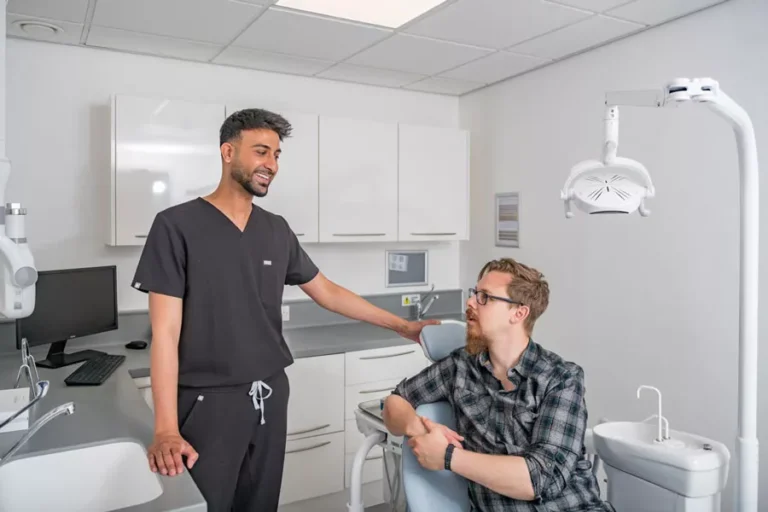
The Evolution of Modern Dental Care
The landscape of dental care has transformed dramatically over the past few decades, with a notable shift towards preservation rather than replacement. Whilst traditional dentistry often relied on aggressive interventions that removed substantial amounts of tooth structure, a private dentist in Manchester has embraced a philosophy that champions conservation. This paradigm shift reflects both technological advancement and a deeper understanding of long-term oral health outcomes.
Private dental practices have been at the forefront of this revolution, investing in cutting-edge equipment and training that enables them to detect problems earlier and treat them with unprecedented precision. The emphasis on minimally invasive techniques represents more than just a trend; it embodies a fundamental rethinking of how dental professionals approach patient care and tooth preservation.
Understanding Minimally Invasive Dentistry
Minimally invasive dentistry operates on a straightforward yet profound principle: preserve as much natural tooth structure as possible whilst effectively treating dental issues. This approach recognises that natural teeth, regardless of their imperfections, possess inherent advantages that no artificial replacement can fully replicate. The biological, functional, and aesthetic benefits of retaining one’s original dentition cannot be overstated.
When seeking treatment from a private dentist, patients often discover that these practitioners have access to technologies and methodologies that facilitate this conservative approach. From air abrasion systems that remove decay without traditional drilling to laser treatments that target problem areas with millimetre precision, the tools available to modern dentists enable interventions that would have seemed impossible just a generation ago.
The Scientific Foundation Behind Preservation
Research has consistently demonstrated that preserving natural tooth structure yields superior long-term outcomes compared to more aggressive treatments. Studies examining the longevity of minimally invasive restorations have shown remarkable success rates, particularly when combined with preventive care strategies and patient education.
The biological reality is that every tooth possesses a complex internal structure that contributes to overall oral health. The pulp chamber houses nerves and blood vessels that maintain tooth vitality, whilst the surrounding dentine and enamel layers provide strength and protection. Each time dental work removes these tissues, the tooth’s long-term viability potentially diminishes. Modern techniques acknowledge this reality by prioritising preservation wherever clinically appropriate.
Key Techniques That Preserve Natural Teeth
Private dental practitioners employ a range of sophisticated techniques designed to maintain tooth integrity. Air abrasion technology, for instance, uses a stream of fine particles to remove decay with remarkable precision, often eliminating the need for anaesthesia and preserving significantly more healthy tooth structure than traditional drilling methods. This approach proves particularly effective for small cavities and surface preparations.
Dental microscopes and magnification loupes allow practitioners to work with extraordinary accuracy, identifying decay at its earliest stages when intervention requires minimal removal of tooth material. The science behind minimally invasive dentistry techniques demonstrates how enhanced visualisation enables dentists to be far more conservative in their treatment planning whilst achieving excellent clinical outcomes.
Biomimetic dentistry represents another cornerstone of the minimally invasive approach, using materials and techniques that mimic the natural properties of teeth. These restorations bond to existing tooth structure, reinforcing it rather than simply filling a void, which helps prevent future fractures and extends the functional life of treated teeth.
The Long-Term Benefits for Patients
The advantages of minimally invasive techniques extend well beyond the immediate treatment experience. Patients who receive conservative care typically face fewer complications over time, reduced sensitivity, and a lower likelihood of requiring more extensive interventions in future years. Research into the effectiveness of conservative dental treatments supports the clinical observation that preserving natural tooth structure correlates strongly with improved long-term outcomes.
Financial considerations also favour this approach, as treatments that preserve tooth structure tend to last longer and require less frequent replacement. Whilst the initial investment in seeing a private dentist might seem substantial, the longevity of minimally invasive restorations often proves more economical over a patient’s lifetime compared to repeated interventions necessitated by more aggressive initial treatments.
Embracing a Conservative Future
The dental profession’s commitment to minimally invasive techniques reflects a maturation of the field, where success is measured not merely by problem resolution but by how much natural tooth structure remains intact. As technologies continue to advance and understanding of dental biology deepens, patients can expect even more refined approaches that prioritise preservation. This philosophy ensures that natural teeth remain functional, healthy, and aesthetically pleasing for as long as possible, representing the very best that modern dentistry has to offer.