
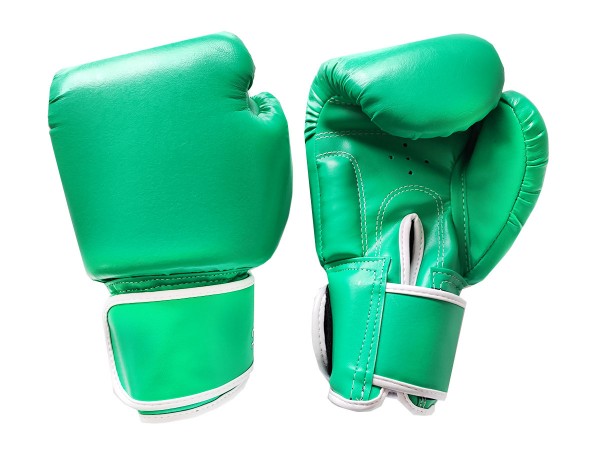
Most people pick a glove size by vibe. Whatever number looks about right, whatever color matches the shorts, done. Then six weeks into training they’re either swimming in padding that slows every punch down or getting knuckle soreness from something too light for what they’re actually doing. There’s a better way to choose muay thai boxing gloves thailand brands actually build for training, and it doesn’t take much more effort than guessing did.
Match Weight to Bodyweight and Purpose
| Glove weight | Best for | Typical bodyweight |
| 10 oz | Fast pad work, competition-style training | Under 65 kg |
| 12 oz | General bag and pad work | 55 to 70 kg |
| 14 oz | All-round training, light sparring | 65 to 80 kg |
| 16 oz | Heavy sparring, extra protection | 75 kg and up |
Notice the overlap. Bodyweight isn’t the only input here. Someone at 68kg doing mostly pad work might sit fine at 12oz. The same person moving into regular sparring probably wants to size up. Purpose matters as much as the number on a scale.
If You’re Only Buying One Pair
14oz. For most people starting out, this single weight handles bag work, pads, and light sparring without needing a second pair immediately. It’s not the fastest option and it’s not the most protective either, it’s just the one that covers the widest range of what a beginner actually does in their first six to twelve months.
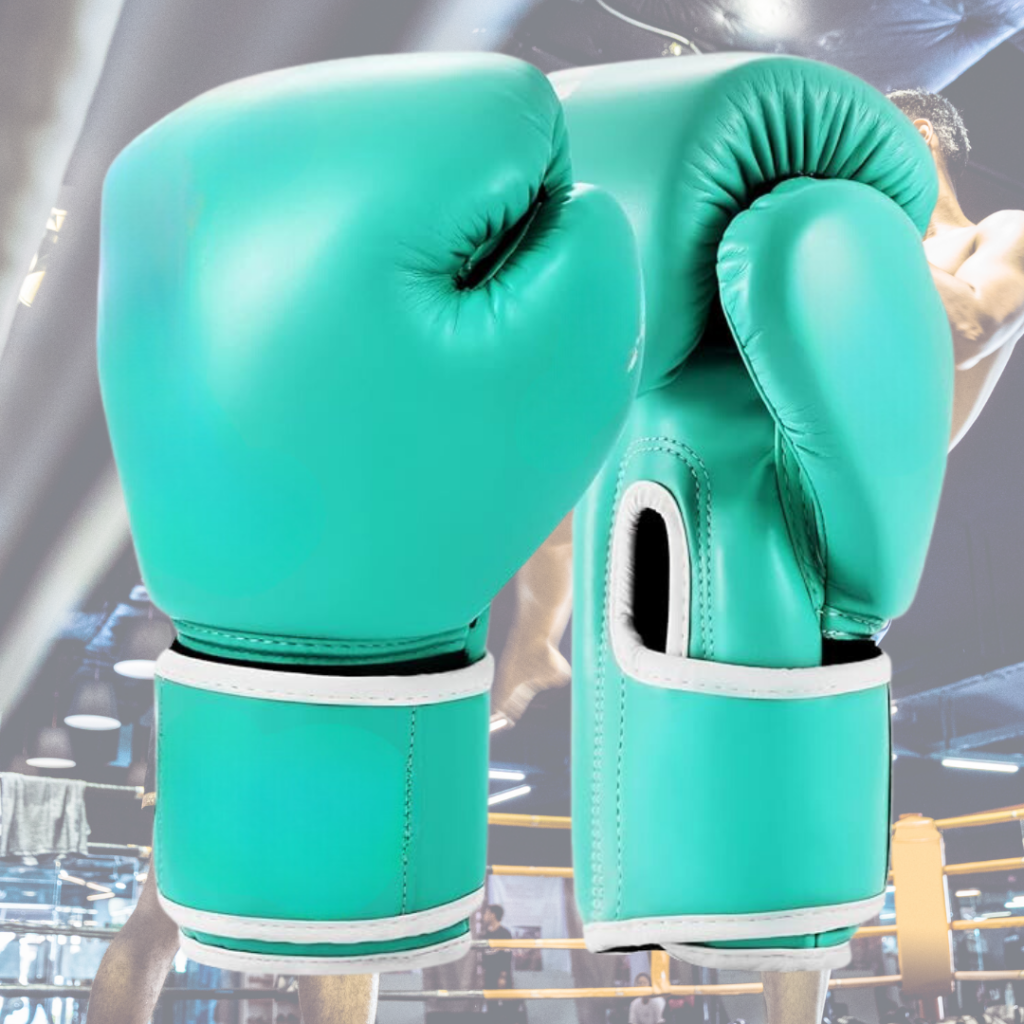
Material Changes the Glove More Than the Colour Does
The weight chart only solves half the puzzle. Anyone comparing muay thai boxing gloves thailand brands actually manufacture will also run into a handful of material grades, and the material matters just as much as the ounce number stamped on the box.
- Premium leather holds up the longest and breaks in with a soft, natural feel, which is why serious fighters training for years tend to end up here eventually
- Paper leather lands somewhere in the middle, more about a structured finish and style than raw durability
None of these materials are objectively wrong. They’re just built for different training frequencies and different budgets, and picking one without thinking about how often the gloves will actually get used is where most buyer’s remorse comes from.
A Simple Way to Decide
- If training two to three times a week and mostly just starting out, PU leather or microfiber at 14oz covers nearly everything needed
- If sparring regularly and training four or more times a week, microfiber or premium leather in the 14 to 16oz range makes more sense
- If competing or planning to train for years, premium leather earns its higher price through durability alone
- If solo training is the norm, velcro wins on convenience every time
- If fight camp or serious pad rounds with a coach are the plan, a lace-up pair is worth having alongside the everyday pair
What Actually Goes Wrong When People Skip This Step
Buying too light for actual sparring leads to sore knuckles and a training partner who isn’t thrilled either. Buying too heavy for solo bag work just slows everything down for no real benefit. And buying the cheapest material available, regardless of how often it’ll get used, usually means replacing gloves twice as often as buying one grade up would have required.
Getting this right the first time isn’t complicated. It just takes actually thinking about bodyweight, training frequency, and how the gloves get put on, rather than picking whatever’s on sale that day.